
“
Nine lemons, a jug of water on the boil, and my youngest hovering by the stove asking if it’s done yet. That’s how this started, a few Tuesdays back, after I read the sugar content on a bottle of the cordial we’d been buying from the IGA on Hannell Street and decided I’d rather know exactly what’s going into the glass.
Shop cordial is mostly sugar syrup with a splash of lemon flavouring somewhere in there for legal reasons. A proper homemade lemon cordial flips that ratio. You get the actual fruit doing the work, a much smaller amount of sweetener, and a tartness that real lemon juice gives you and concentrate never quite manages. It takes about fifteen minutes of actual effort and keeps in the fridge for a couple of weeks, which in my house means it’s gone in about five days because everyone keeps “just checking” it’s still good.
Why the syrup version got out of hand
Most traditional cordial recipes ask for equal parts sugar and water, sometimes more sugar than water once you factor in the lemon zest infusing in there too. That’s a lot of dissolved sugar sitting in a bottle marketed, often, with a picture of fresh lemons on the label. Nutrition Australia and the healthdirect guidance on added sugars both point the same direction: it’s not that a treat drink is a disaster occasionally, it’s that cordial gets poured daily in a lot of households because it’s sitting in the cupboard and it’s easy. Easy and sugar-heavy is a bad combination for a drink kids go back to three times a day in summer.
This version uses honey, and less of it than you’d think, plus the zest and juice of the whole lemon rather than just juice. The zest carries a lot of the lemon oil and flavour, which means you don’t need to oversweeten to compensate for a flat-tasting base.
What you actually need
Nothing unusual, and nothing you can’t get from a standard greengrocer. I buy my lemons from the fruit shop on Maitland Road most weeks, the bag of them sold a bit under supermarket price when they’re in season through winter and into early spring. A microplane makes the zesting part quick; a vegetable peeler works fine too if that’s what you’ve got.
Ingredients
- 9 lemons (about 1 kg), zest of 3, juice of all 9 (roughly 400ml juice)
- 750ml water
- 125g honey (roughly a third of a cup)
- 1 cinnamon stick (optional, but good)
- A pinch of citric acid, if you want it to keep a touch longer
Method
- Zest three of the lemons with a microplane, avoiding the white pith underneath, which turns bitter if you get too much of it.
- Juice all nine lemons into a bowl, straining out the pips as you go. You should end up with around 400ml of juice.
- Put the water, zest and cinnamon stick in a small saucepan and bring to a simmer. Let it simmer gently for five minutes, no higher than that, just enough to pull the oils out of the zest.
- Take the pan off the heat and stir in the honey until it’s fully dissolved. Honey seizes up and goes grainy if you add it to water that’s too hot and then let it cool too fast, so give it a proper stir.
- Let the mixture cool to room temperature, then strain out the zest and cinnamon stick, pressing on the solids a bit to get the last of the flavour out.
- Stir the lemon juice into the cooled syrup. Taste it properly diluted before deciding it needs more honey, cordial concentrate always tastes sharper neat than it does mixed.
- Pour into a clean glass bottle or jar and refrigerate. It’ll keep for around two weeks.
To serve, I go roughly one part cordial to four or five parts water or soda water, adjusted to taste. My youngest won’t touch it if it’s too strong, which took me a couple of batches to work out, so start weak and let everyone add more themselves.
Getting the sweetness right without overdoing it
Honey isn’t a free pass nutritionally, it’s still a sugar, but 125g spread across roughly 1.1 litres of finished cordial, which then gets diluted another four or five times again at the glass, puts you in a very different place to a bottle that’s thirty to forty percent sugar syrup straight out of the shelf. If you want it lower again, you can drop to 100g of honey and lean a bit harder on the lemon zest for flavour, it genuinely carries more weight than people expect. I wouldn’t go much below that though, it starts tasting more like lemon water with ambitions than an actual cordial.
A variation worth trying
Swap two of the nine lemons for a couple of limes and you get a sharper, slightly more complex cordial that holds up well with soda water on a warm afternoon after netball training. I coach the under-12s on Saturdays at a ground not far from Newcastle, and a jug of this diluted cordial in an esky outlasts the bottled stuff every single week, mostly because nobody’s parents mind the kids having three cups of it.
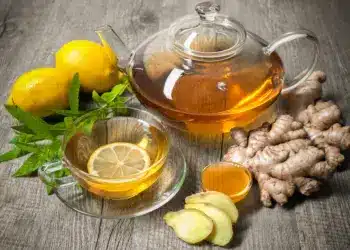
Ginger is another one worth a go, a thumb-sized piece grated into the syrup while it simmers gives you something closer to a proper ginger lemon drink, good for anyone feeling a bit off in the chest during the colder months. The CSIRO has written about ginger’s traditional use for settling stomachs, though I’ll admit I mostly add it because it tastes good, not because I’m chasing a health outcome from a cordial.
Where this fits in the week
I don’t pretend this replaces plain water as the everyday drink, and if you’re after the actual hydration basics for an Australian summer, I’ve gone through that properly in staying hydrated in Australian summer. This cordial is more the thing that sits in the fridge door for the after-school rush, or gets poured out for visitors instead of reaching for soft drink. On a Tuesday night when everyone’s tired and a bit flat, a glass of cold cordial with ice does more for the mood in our kitchen than it probably should.
It also doubles well for lunchboxes if you’ve got a small insulated bottle, diluted properly and kept cold overnight in the freezer so it’s still cool by lunchtime. Pair it with something like the raw chia energy bars or a batch of the seeded crackers with dukkah and you’ve covered the drink and the snack for not much money or effort on a Sunday.
A small opinion on bottled versions
I’ll say the quiet part here: most “no added sugar” cordials on supermarket shelves lean hard on stevia or other intense sweeteners, and the aftertaste is noticeable to most kids even if the label looks virtuous. I’d rather use a measured, honest amount of honey and know exactly what’s in the bottle than chase a zero-sugar claim that tastes slightly off and still costs more than the lemons did. That’s a personal call, not a blanket rule, but it’s the one I’ve landed on after a few failed attempts with the “healthy” bottled options from the health food aisle.
If you’re trying to build more of these small swaps into the week without overhauling everything, the piece on setting up a pantry for healthier weeknights covers a lot of the same thinking, keeping a few better basics around so the easy choice is also the decent one.
– Nicole Barnes, Golden Door Living kitchen
”